
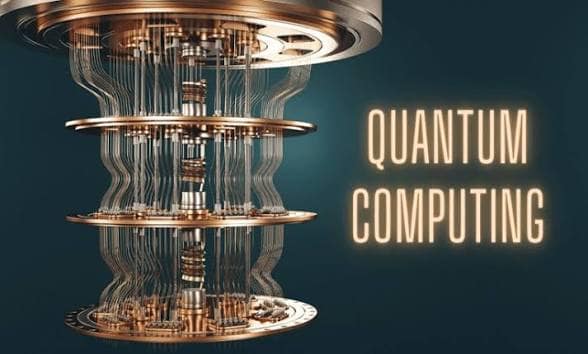
Sometimes, technologies emerge that do more than introduce a new capability. They reshape the way we understand the world. Quantum computing is one of those technologies.
For decades, classical computers have been the foundation of the digital age. From smartphones to global data centers, everything runs on bits that exist in one of two states: 0 or 1. Today, however, scientists are building a new generation of machines that operate according to the extraordinary principles of quantum mechanics. These systems use quantum phenomena to process information in ways traditional computers simply cannot.
The significance of this shift becomes clear when confronting problems that would take even the most powerful supercomputers an impractical amount of time to solve. Drug discovery, advanced material design, logistics optimization, and complex financial modeling are among the areas where quantum computing could create transformative breakthroughs.
Despite its immense promise, quantum computing is still in its early stages. Technical challenges such as error correction, system stability, and infrastructure requirements continue to limit widespread adoption. Yet this has not slowed the global race to develop the technology. Major technology companies and governments are investing heavily in research and development, recognizing its long-term strategic importance.
What makes quantum computing remarkable is not simply its potential for greater processing power. Its true value lies in the possibility of solving problems that were previously considered impossible. Just as the internet transformed communication, quantum computing may redefine the boundaries of science, industry, and innovation.
We may not feel its impact in everyday life today, but many of tomorrow’s breakthroughs are already taking shape inside quantum laboratories around the world.
The most revolutionary technologies first seem impossible to understand. Then they become impossible to ignore.
Quantum computing is rapidly moving from one stage to the next.